Technology
Smart Cockpits and Vehicle Software: Why Chinese Cars Feel Different
Large screens are only the visible part of China’s software-defined vehicle trend. Central computing, OTA updates, voice control and data services are changing the architecture underneath.
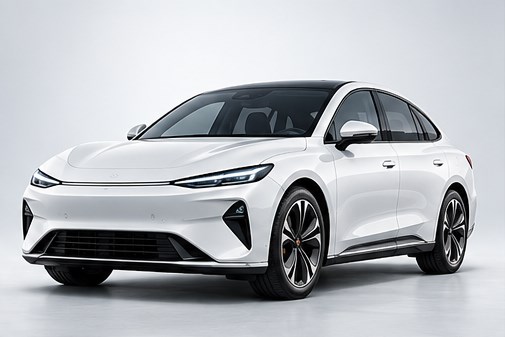
Many first-time users of a recent Chinese car notice the interior before the powertrain. Large center displays, voice assistants, animated interfaces, streaming apps, phone integration and over-the-air updates are common even in relatively affordable vehicles.
The screen is the visible layer. The more important change is the electrical and software architecture behind it.
From many ECUs to fewer powerful computers
Traditional vehicles can contain dozens of electronic control units, each responsible for a narrow function. Newer architectures consolidate functions into domain controllers or central computers.
Consolidation can reduce wiring complexity and make software updates easier. It also allows functions such as navigation, driver assistance, energy management and cabin controls to share more data.
The risk is concentration. A software defect in a central controller can affect many systems at once, making functional safety and cybersecurity more important.
The cockpit is now a product platform
In a software-defined vehicle, the infotainment system is not treated as a fixed radio that remains unchanged for a decade. Automakers expect to add features, revise interfaces and update applications over time.
Chinese technology companies and automakers have brought smartphone-style expectations into the car market. Fast processors, frequent software releases and large app ecosystems create a user experience that evolves after purchase.
That can be a strength, but it can also create inconsistency if an update changes familiar controls or introduces bugs.
Voice control matters because screens can distract
As physical buttons disappear, voice control becomes more important. Good systems can adjust climate, windows, navigation and media without forcing the driver through multiple touch-screen menus.
The quality gap between systems can be large. Local-language recognition, noisy-cabin performance, offline capability and understanding of natural commands matter more than a long list of supported functions.
Export markets therefore require substantial localization. A Chinese voice assistant that performs well in Mandarin may need a different language model, cloud infrastructure and privacy framework abroad.
OTA updates are both convenient and regulated
Over-the-air updates can fix bugs and add features without a workshop visit. They can also alter safety-critical behavior, which means automakers need strict software configuration management.
China’s 2026 automotive standardization priorities explicitly include vehicle software, OTA, information security and data governance. As cars become more software dependent, regulators increasingly treat an update as an engineering change that may require validation rather than as a simple app download.
Data creates new responsibilities
Connected vehicles can collect location, camera, driving and diagnostic data. Some of that information is essential for navigation or maintenance; some is commercially valuable.
International deployment introduces questions about where data is stored, whether it crosses national borders and how owners can delete or control it. Fleet buyers should review data contracts just as carefully as mechanical warranties.
Hardware specifications can be misleading
A cockpit may advertise a high-end processor and enormous memory, but the user experience depends on software optimization. Conversely, a modest processor can feel responsive if the system is well designed.
Useful evaluation criteria include boot time, touch latency, navigation accuracy, Bluetooth stability, update frequency, offline operation and how essential functions behave if the screen fails.
Physical controls still have a role
The trend toward screen-based controls can reduce parts count and create a clean interior, but it is not automatically better for safety. Frequently used functions such as hazard lights, defogging and volume may benefit from tactile controls that can be operated without looking away from the road.
Manufacturers are still experimenting with the right balance.
Why this became a Chinese competitive advantage
China has strong consumer-electronics and internet industries, a large domestic smartphone ecosystem and buyers who are comfortable with rapid software iteration. Automotive companies were therefore under pressure to deliver digital features earlier and at lower price points.
This forced traditional vehicle engineering and consumer electronics to converge quickly.
What international buyers should check
A Chinese-market vehicle may lose important functions when exported unofficially. Check whether the manufacturer supports local cellular networks, app stores, navigation, remote-control services, OTA servers and emergency calling.
Grey-market imports can be especially problematic if the vehicle expects a Chinese phone number or cloud account.
The best way to judge a “smart cockpit” is therefore not by screen size. Judge whether the software remains useful, secure and supported for the life of the vehicle.
Long-term support is the unanswered question
The automotive industry is used to supplying mechanical parts for a decade or more. Software creates a different obligation. Encryption certificates expire, mobile operating systems change and cloud APIs are retired. A car can remain mechanically healthy while connected features stop working.
Manufacturers that want strong residual values will need clear software-support policies. Exporters face an additional burden because regional servers, maps and privacy rules may need separate maintenance.
Independent repair is another emerging issue. Replacing a central computer may require cryptographic pairing with the vehicle. Without access to authorized tools, otherwise simple repairs can become impossible outside the official network.
FAQ
Is a bigger screen evidence of a better smart cockpit? No. Responsiveness, software stability, voice control and long-term support matter more.
Can OTA updates change driving behavior? Yes. Updates can affect powertrain, ADAS and other functions, which is why validation and change control are important.
Why can grey-market imports lose features? The software may depend on Chinese SIM cards, accounts, maps or cloud services that are not supported abroad.
Are physical buttons disappearing completely? Not necessarily. Safety and usability concerns are pushing some manufacturers to restore tactile controls for frequent functions.
For long-term buyers, software documentation should therefore be treated as part of the vehicle specification, not as a temporary entertainment feature.