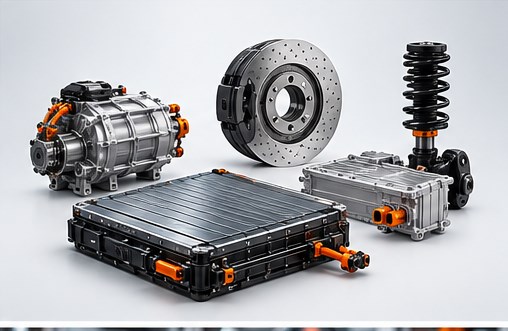
800V and Megawatt Charging: Why Chinese EVs Are Pushing Charging Speed
Chinese automakers are moving from 400V systems to higher-voltage platforms and extreme charging claims. Here is the engineering behind the numbers.
Market intelligence
Data-led reporting and practical explainers for buyers, operators and industry watchers navigating China’s automotive market.
Chinese automakers are moving from 400V systems to higher-voltage platforms and extreme charging claims. Here is the engineering behind the numbers.
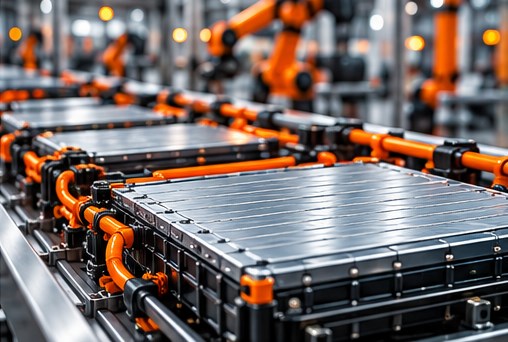
China’s updated mandatory traction-battery standard took effect in July 2026. Here are the tests and design implications that matter.
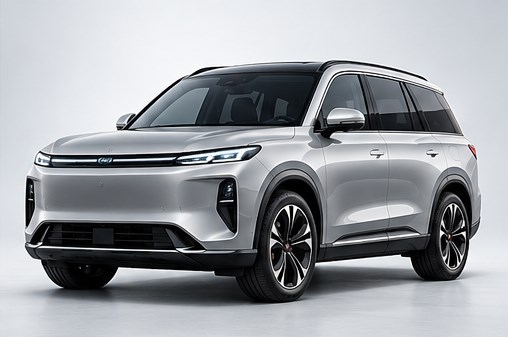
Advanced driver assistance is becoming standard equipment in China, but new mandatory rules are drawing a clearer line between assistance and automation.
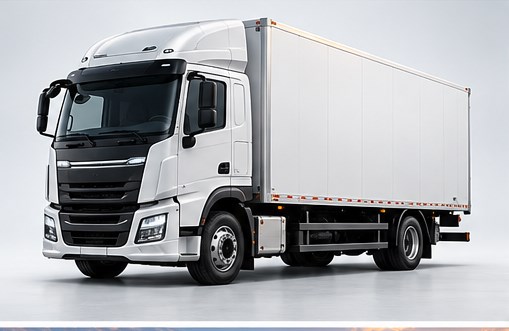
China sold more than 400,000 electric trucks in 2025. Short routes, battery swapping and industrial economics are making heavy-duty electrification practical.
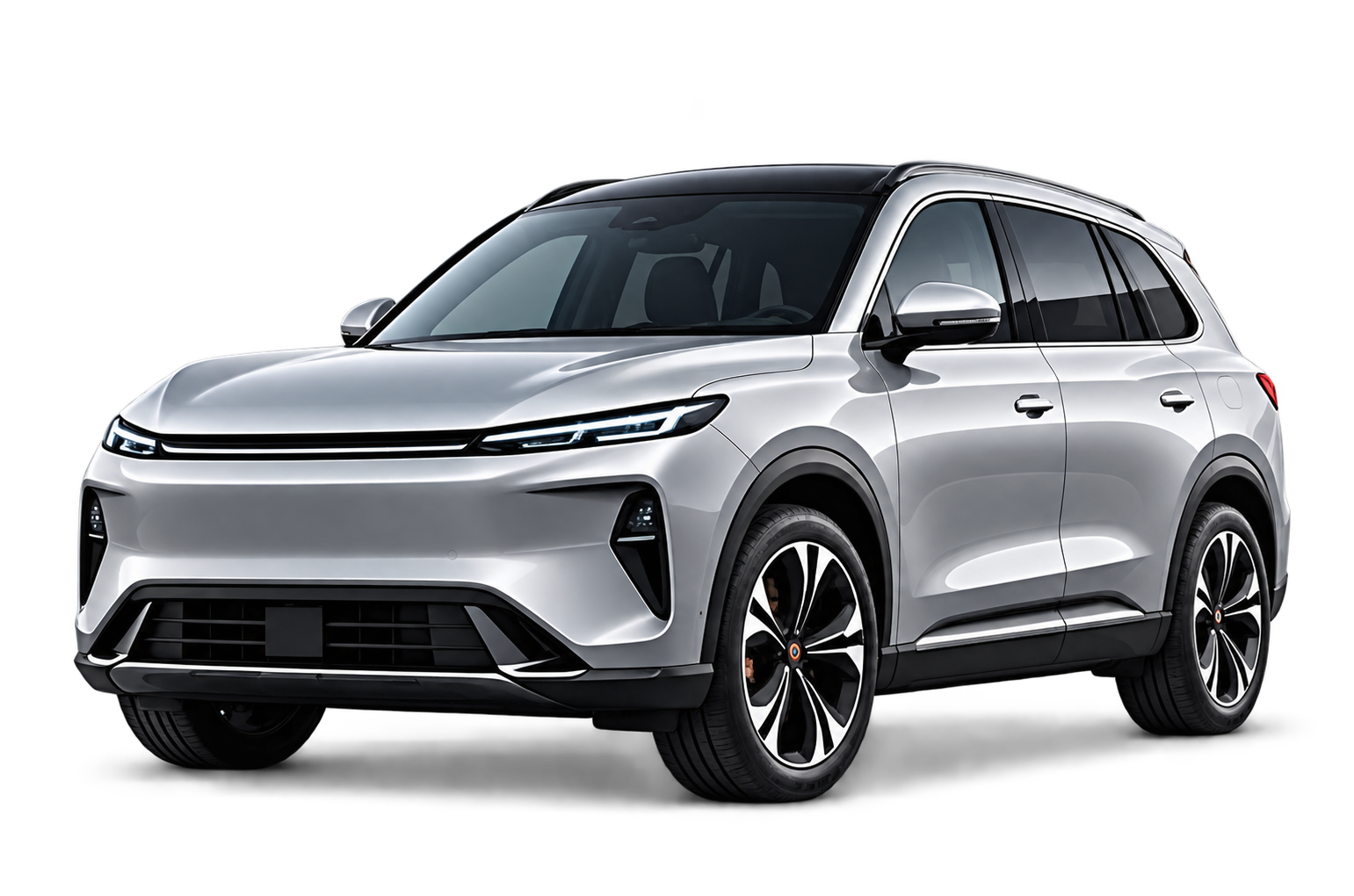
Battery swapping remains a niche globally, but China has created passenger-car and heavy-truck use cases where it can solve real operational problems.
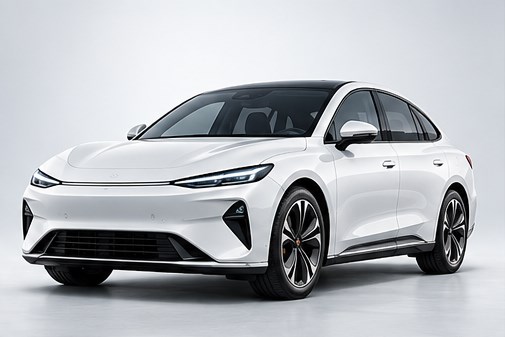
A practical guide to the four powertrain categories shaping China’s passenger-car market and why they serve different use cases.
China has one of the world’s largest EV charging ecosystems, but connector standards and communication protocols matter when vehicles cross borders.

China’s car exports are rising quickly, but shipments, overseas sales and local production tell different stories. Here is how to read the numbers.
A neutral map of eight major Chinese automaker groups and the different technology, export and market strategies behind their brands.
China has published a mandatory safety standard for Level 3 and Level 4 automated-driving systems. Here is what changes when the driver is no longer always responsible.
Chinese-made cars have become a meaningful part of Europe’s EV market. Tariffs are changing how manufacturers enter the region, not ending the competition.
Extended-range EVs combine an electric driving experience with an onboard generator. China turned the architecture into a major family-SUV category.
Buying directly from a Chinese vehicle supplier can save money, but homologation, software, parts and charging compatibility can erase the apparent advantage.
China’s EV advantage is built on an unusually dense chain of batteries, motors, electronics, software and vehicle assembly. Here is how the pieces fit together.
A data-led explanation of how China built the world’s largest electric-vehicle market, production base and battery supply chain.
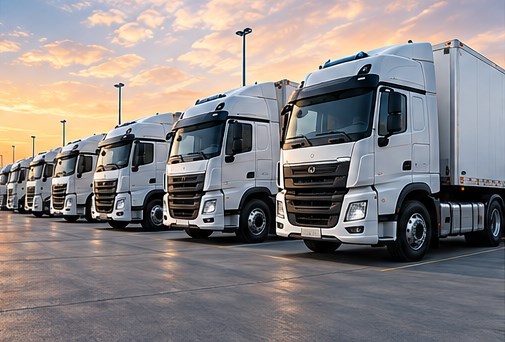
China has already reshaped the EV market. The next phase will be defined by industry consolidation, overseas manufacturing, battery innovation and stricter software regulation.
Europe gets the headlines, but Chinese automakers are also expanding rapidly across emerging markets where price, electrification and local production matter.
LFP now powers a large share of the global EV market. China’s supply chain explains why the chemistry became central to affordable electric cars.
Cheap labor is not a sufficient explanation for Chinese EV pricing. Battery scale, supplier density, platform choices and intense competition matter more.
Large screens are only the visible part of China’s software-defined vehicle trend. Central computing, OTA updates, voice control and data services are changing the architecture underneath.